
The country that measures Gross National Happiness and stays carbon negative. A tour about growth, sustainability and a very different idea of success.
Five turning points
Until 1961 Bhutan had no planned economy, no national currency and almost no paved roads. It chose to modernise slowly and on its own terms. Today it measures success by happiness as well as GDP, keeps most of its land under forest, and sells clean power to India.
- 1961The first five-year plan begins, fully funded by India. Most of the money goes into building roads.
- 1972The Fourth King, Jigme Singye Wangchuck, comes to the throne and starts to describe Gross National Happiness as more important than Gross National Product.
- 1974Bhutan admits its first foreign tourists, on a "high value, low volume" model it still follows.
- 1986 to 1988The Chukha hydropower project is built with India. Selling electricity to India becomes Bhutan's biggest export earner.
- 2008Bhutan becomes a democracy under a constitution that requires at least 60% of the land to stay under forest, forever.
TodayOne of very few carbon negative countries. It charges international tourists a fee of USD 100 a night (Indians pay INR 1,200), and is building Gelephu Mindfulness City, a new special economic region on the Assam border.
Questions for your students
- Bhutan charges tourists a high daily fee to keep numbers low. Is that good strategy or lost revenue?
- How would you measure the "happiness" of a company's employees, and would you tie it to managers' pay?
- Bhutan depends on one buyer, India, for its biggest export. How should a business, or a country, manage dependence on a single customer?
The business story
- Gross National HappinessHow a country measures progress beyond GDP, and what businesses can learn from it.
- Sustainability in practiceForests, hydropower and climate commitments at national scale.
- Tourism by designWhy Bhutan chose fewer, higher value visitors, a pricing and positioning case study.
- India and BhutanHydropower and trade: a close economic partnership.
Day by day
Day 1
Arrive in Paro. Orientation and a walk through the town.
Day 2
Thimphu: government, culture and the Gross National Happiness idea.
Day 3
Sustainability day: forests, hydropower and the country's climate commitments.
Day 4
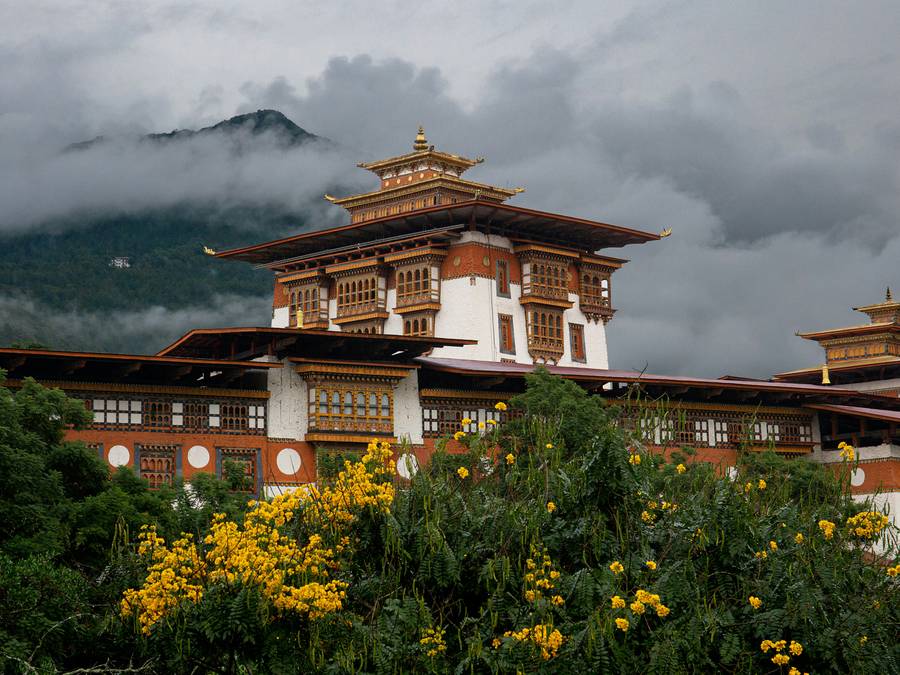
Punakha: rural life, farming and local enterprise.
Day 5
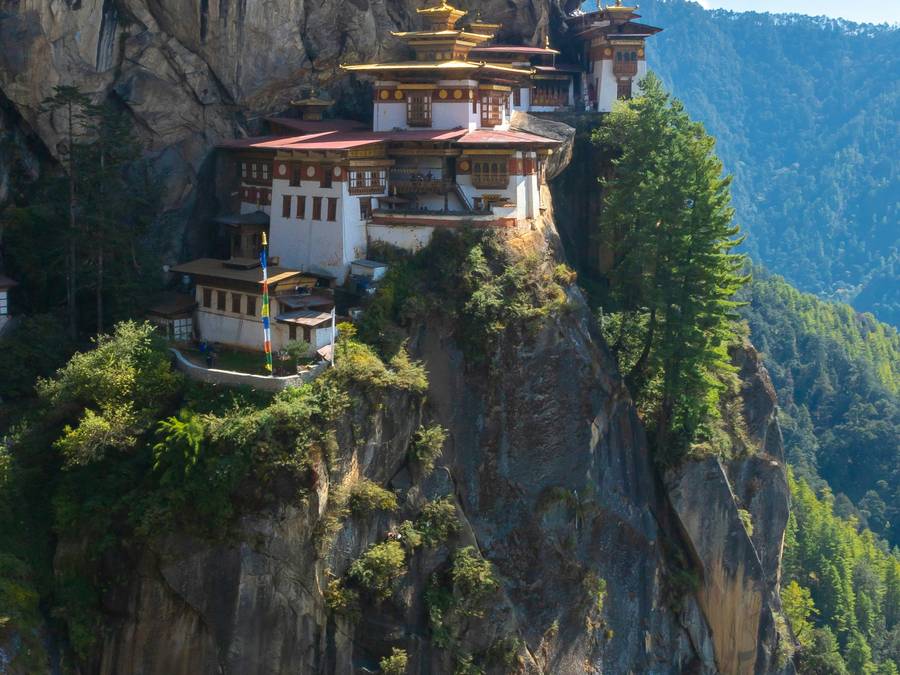
Hike to Tiger's Nest monastery and a reflection on purpose and leadership.
Day 6
Group reflection session and flights home.
This is a sample outline. Your final plan, including the specific industry visits, is tailored to your batch and confirmed in writing in your proposal.