
How a country turned its companies and its culture into global brands. From technology and cars to K-dramas and K-pop, Korea is a live marketing case study.
Five turning points
In 1960 South Korea's income per person was about 80 US dollars, lower than the sub-Saharan African average. It had few resources and a war-torn economy. Two generations later it sells phones, cars, ships and even its culture to the whole world.
- 1953The Korean War ends. The South is among the poorest countries on earth.
- 1962The first five-year plan bets on exports. The state backs companies with cheap loans, but only if they can sell abroad.
- 1970s and 1980sFamily-run groups (chaebol) such as Samsung, Hyundai and LG move from textiles and wigs into steel, ships, cars and electronics.
- 1997The Asian financial crisis hits and Korea takes an IMF rescue. Weak firms fold and the survivors turn global.
- 1999A new law to promote cultural industries is passed, and Chinese media coin the term "Korean Wave" for the craze over Korean dramas and pop music.
TodayA major economy whose brands, from Galaxy phones to K-pop groups and Netflix hits, are household names worldwide.
Questions for your students
- Korea backed only companies that could export. What would happen if India tied every subsidy to export results?
- Is K-pop a product, a brand or a government strategy? Can it be all three?
- Chaebol built Korea, but they are also criticised for holding too much power. Where is the line between national champion and monopoly?
The business story
- Building global brandsHow Korean family-owned groups grew into household names worldwide.
- Soft power as strategyHow film, music and beauty became exports, and what marketers can learn from it.
- Technology and innovationA look at the design and technology culture behind Korean products.
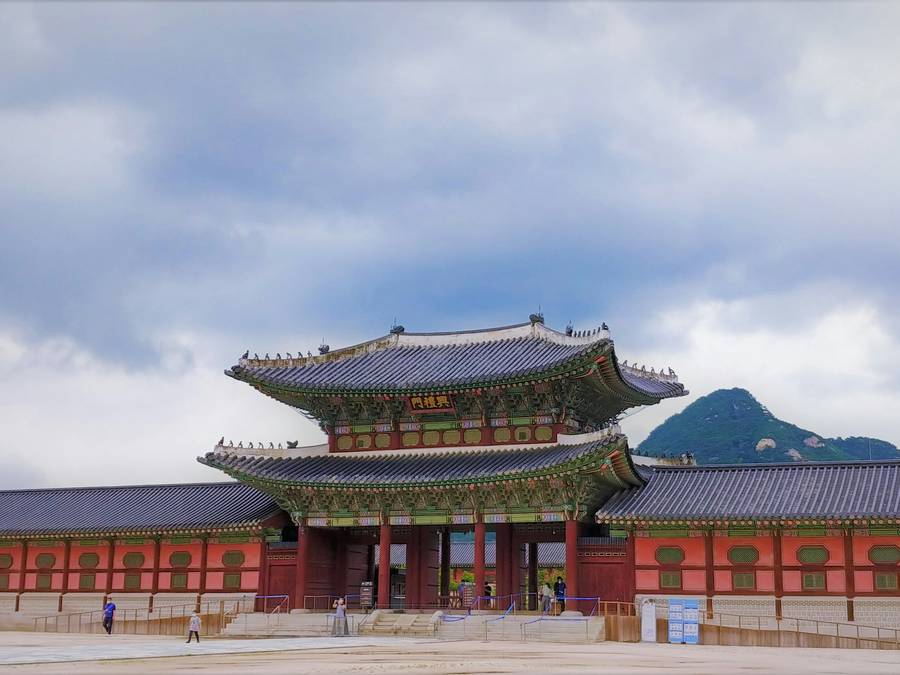
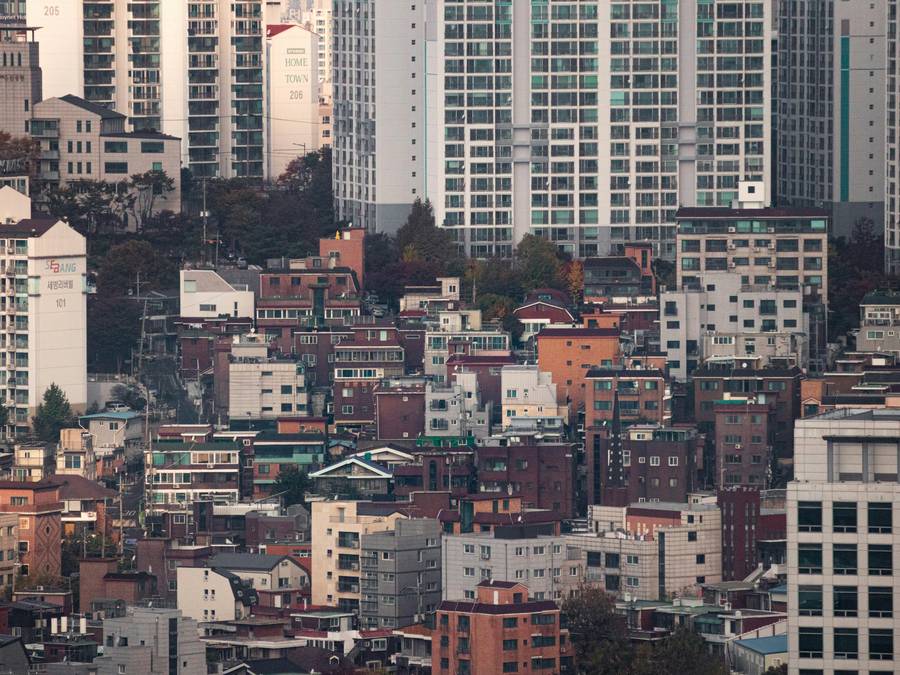
- Tradition and modern SeoulPalaces and markets beside some of the most wired streets in the world.
Day by day
Day 1
Arrive in Seoul. Orientation and an evening in a modern Seoul neighbourhood.
Day 2
Brand and technology day, with a visit to a corporate or brand experience centre.
Day 3
The business of K-culture: entertainment, beauty and how they are marketed.
Day 4
University or startup session, then Gyeongbokgung Palace and old Seoul.
Day 5
Industry visit linked to the batch's specialisation.
Day 6
Group reflection session and flights home.
This is a sample outline. Your final plan, including the specific industry visits, is tailored to your batch and confirmed in writing in your proposal.