
A small island with no natural resources that became one of the world's great trading and financial centres. Students see the port, the finance district and the city planning behind it.
Five turning points
In 1965 Singapore became a country it never planned to be. It had no natural resources, no hinterland and no central bank. Within one generation it was among Asia's top financial centres, and it got there by design, not luck.
- 1819Stamford Raffles sets up a British trading post on the Strait of Malacca. Free trade turns it into a busy port for goods passing between India and China.
- 1961The Economic Development Board is created to bring foreign manufacturers to the island.
- 1965On 9 August Singapore leaves Malaysia and becomes independent. With no hinterland, it has to earn its living from the world.
- 1968The Asian Dollar Market opens. Banks can now trade US dollars in the hours between San Francisco closing and London opening, and Singapore's finance story begins.
- 1971The Monetary Authority of Singapore starts work as central bank and financial regulator.
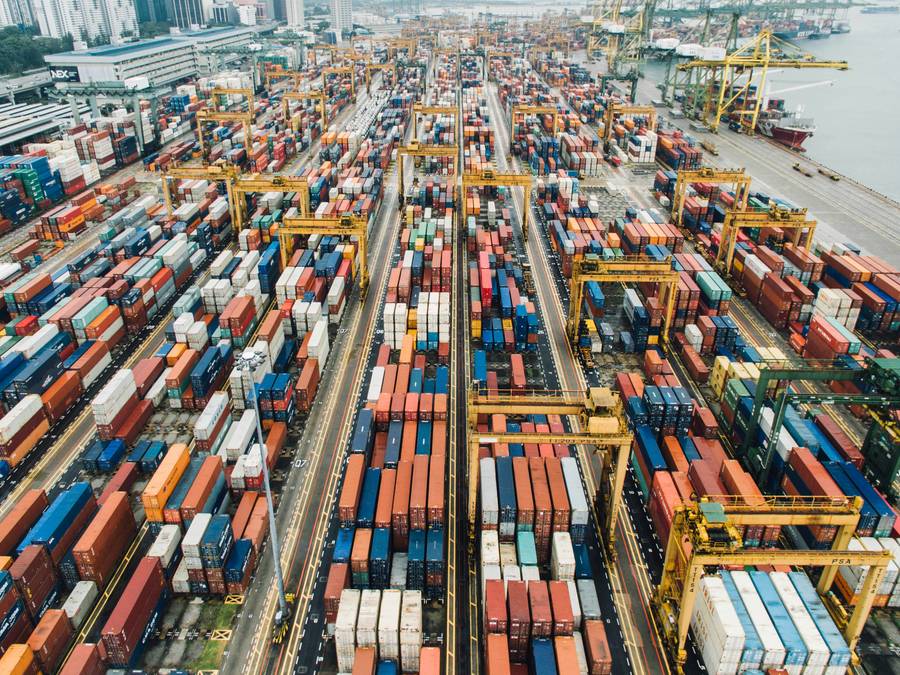
TodayOne of the world's busiest container ports, and the third largest foreign exchange centre after London and New York.
Questions for your students
- Why would a global bank choose a small island with no resources as its Asia headquarters?
- India is building GIFT City in Gujarat as a financial centre. What can it borrow from Singapore, and what can it not copy?
- Singapore invited foreign companies in instead of growing its own first. What did it gain, and what did it risk?
The business story
- Trade and logisticsHow a port city built its economy around moving goods for the world.
- Finance and fintechWhy global banks and startups choose Singapore, and how the regulator supports innovation.
- Planning a cityHousing, water and transport planned decades ahead, seen up close.
- Global campusA visit to a leading university to see how management is taught in Asia.
Day by day
Day 1
Arrive in Singapore. Orientation and an evening walk around Marina Bay.
Day 2
Port and logistics visit, followed by a session on Singapore's city planning story.
Day 3
Finance district walk and an industry session with a fintech or startup team.
Day 4
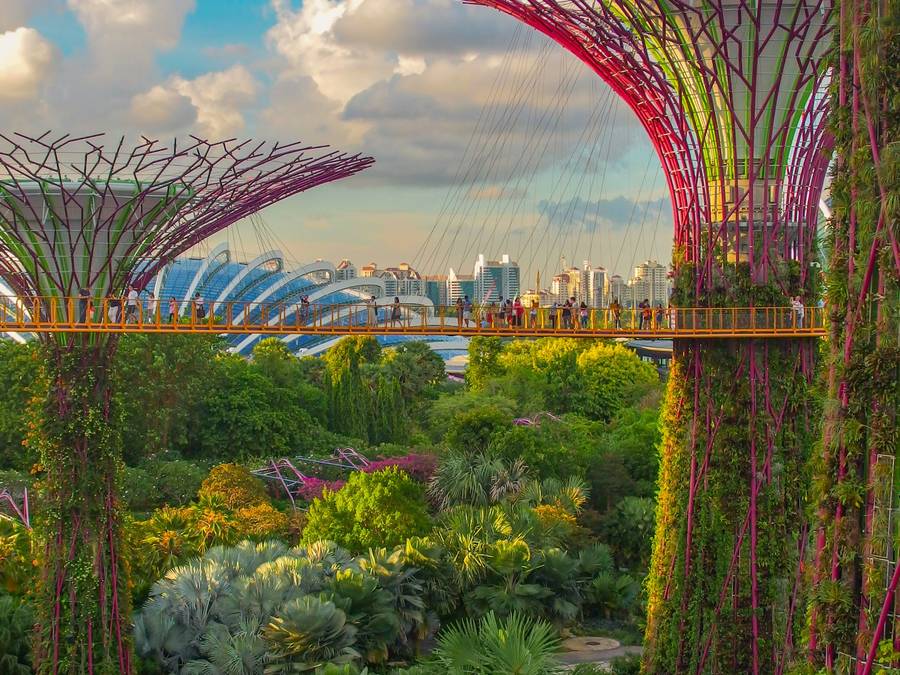
University campus visit, then Gardens by the Bay and the sustainability story.
Day 5
Group reflection session and flights home.
This is a sample outline. Your final plan, including the specific industry visits, is tailored to your batch and confirmed in writing in your proposal.