
An island that became one of the largest sources of foreign investment into India, and a gateway for Indian companies into Africa. A finance tour with the sea as a backdrop.
Five turning points
In 1961 a Nobel Prize winning economist, James Meade, predicted a bleak future for Mauritius: one crop, too many people and nowhere else to work. Instead it became one of Africa's richest countries and, for years, the single largest source of foreign investment into India.
- 1834 onwardsAfter slavery ends, the British bring indentured workers from India to the sugar estates. Most Mauritians today trace their roots to India, and the arrival depot in Port Louis, Aapravasi Ghat, is now a UNESCO World Heritage Site.
- 1968Independence, with sugar as almost the only export and unemployment around 20%.
- 1970An Export Processing Zone opens. Investors from Hong Kong and Taiwan set up garment factories, and textiles overtake sugar.
- 1980s and 1990sTourism booms, and Mauritius builds an offshore financial centre on top of its tax treaty with India.
- 2016India amends the treaty to tax capital gains routed through Mauritius. The island has to compete on substance, not just tax.
TodayThe second largest source of foreign direct investment into India since 2000, after Singapore, and a base for Indian companies investing across Africa.
Questions for your students
- A Nobel winner said Mauritius would fail. What did he miss?
- Was the Mauritius route into India smart tax planning or a loophole? How should a country decide?
- If you were setting up an Indian company's Africa business, would you base it in Mauritius, Nairobi or Johannesburg? Why?
The business story
- Global financeWhy so much investment into India has come through Mauritius, and how treaties shape capital flows.
- Gateway to AfricaHow Indian companies use Mauritius to invest across Africa.
- Economic transformationHow an economy moved from sugar to textiles, tourism and financial services.
- Tourism as an industryHow a small island runs a world class hospitality business.
Day by day
Day 1
Arrive in Mauritius. Orientation and an evening in Port Louis.
Day 2
Financial services day: sessions on the financial centre and cross-border investment.
Day 3
Africa gateway day: trade, business setup and Indian companies on the island.
Day 4
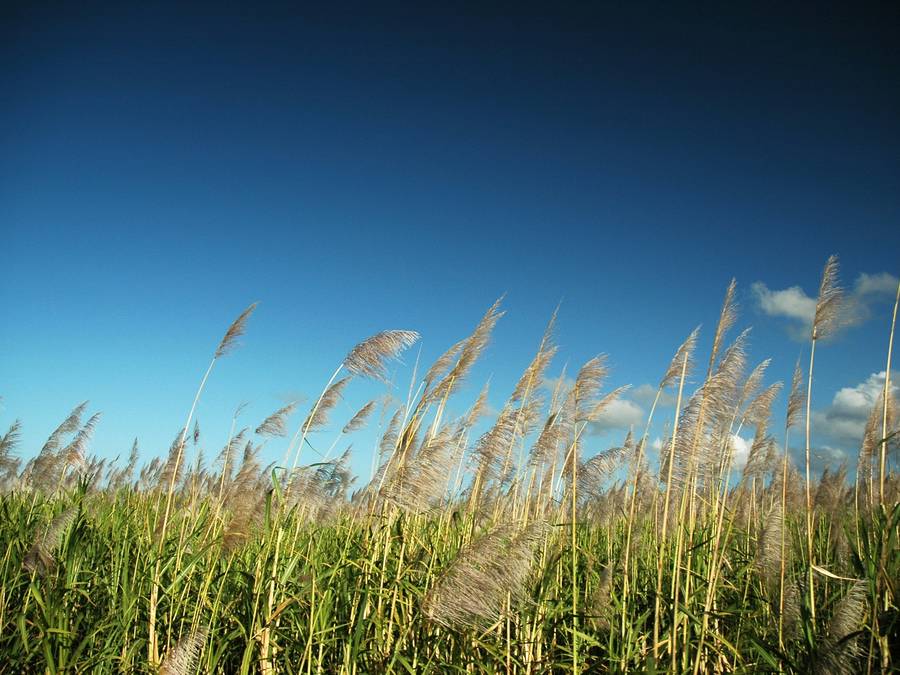
Industry heritage: the sugar story, then tourism and hospitality operations.
Day 5
Group reflection session and flights home.
This is a sample outline. Your final plan, including the specific industry visits, is tailored to your batch and confirmed in writing in your proposal.