
The country that gave the world kaizen, just in time and the Toyota Way. Operations concepts from the textbook, seen where they were born.
Five turning points
In 1950 "Made in Japan" meant cheap and unreliable. Within thirty years it meant the opposite, and the methods behind that change are now in every operations textbook your students use. Japan is where those chapters were written.
- 1945Japan's cities and factories lie in ruins after the Second World War.
- 1950American statistician W. Edwards Deming lectures Japanese engineers and top industrialists on quality control. Japan's engineering union (JUSE) names its highest quality award after him the next year.
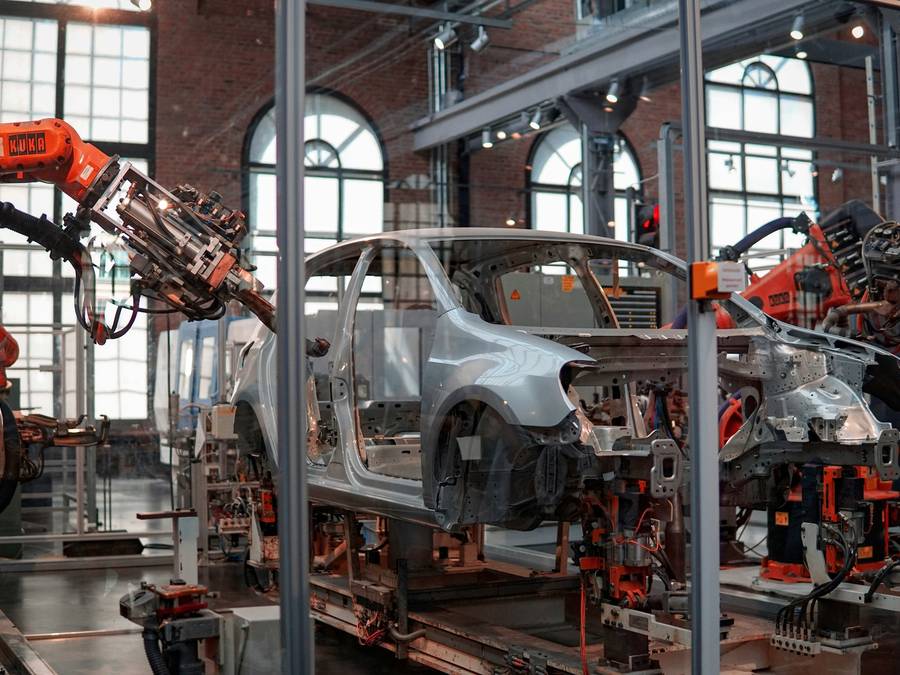
- 1950s and 1960sAt Toyota, Taiichi Ohno builds the Toyota Production System: just in time, kanban and stopping the line the moment a defect appears.
- 1964The Shinkansen bullet train opens between Tokyo and Osaka, ahead of the Tokyo Olympics. The next year, Toyota wins the Deming Prize.
- 1990The book The Machine That Changed the World brings Toyota's system to the West under a new name: lean.
TodayLean, kaizen and quality circles are taught in business schools and used in factories, hospitals and software teams worldwide.
Questions for your students
- Toyota lets any worker stop the production line. Why would a company give that much power to the shop floor?
- Lean was born in a car factory. Can it work in an Indian hospital, bank or restaurant? Pick one and explain how.
- Japan has more companies over 100 years old than almost anywhere. What helps a business last that long?
The business story
- Lean manufacturingHow the Toyota Production System changed manufacturing everywhere.
- Kaizen and qualitySmall daily improvements as a whole company's habit.
- Service cultureWhy Japanese service feels different, and how it is designed.
- InfrastructureThe bullet train as a lesson in reliability and operations.
Day by day
Day 1
Arrive in Tokyo. Orientation and an evening in Shibuya.
Day 2
Business Tokyo: a corporate or industry session and the city's service culture.
Day 3
Bullet train to the Nagoya region, home of Toyota.
Day 4
Manufacturing day: automotive industry and lean production, with museum visits.
Day 5
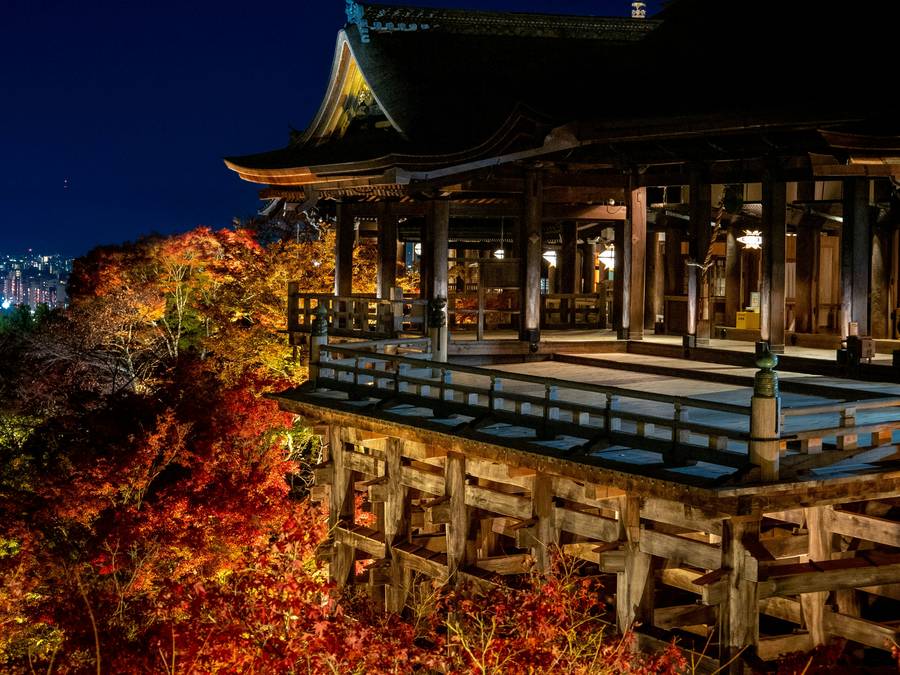
Kyoto: how tradition and craft businesses have lasted for centuries.
Day 6
Group reflection session and flights home.
This is a sample outline. Your final plan, including the specific industry visits, is tailored to your batch and confirmed in writing in your proposal.